Category: Audemars Piguet
The Royal Oak is so closely associated with Audemars Piguet that it can sometimes make the rest of the catalogue feel secondary.
That is understandable, but it also misses much of what makes the brand interesting.
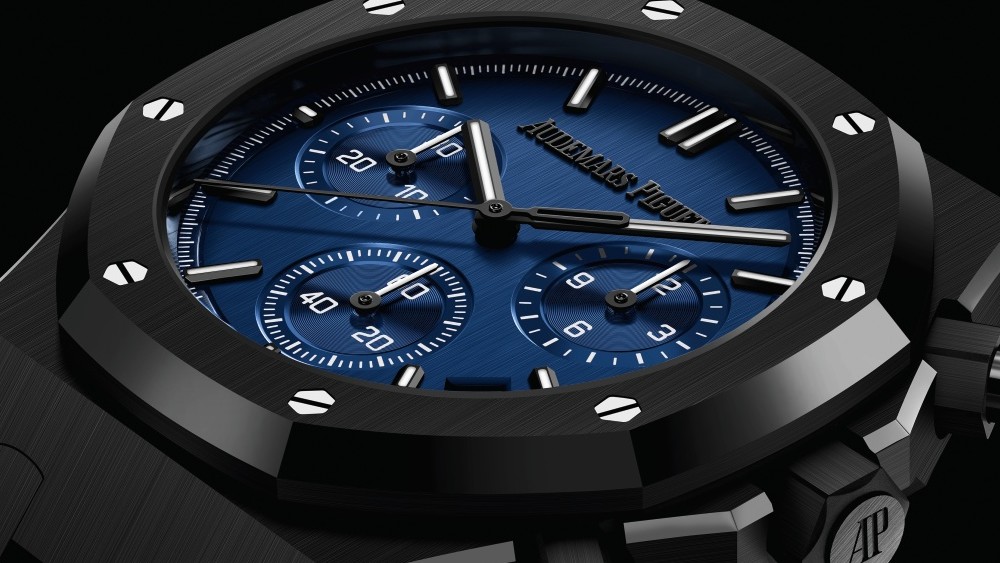
The original Royal Oak established a distinctive combination of an octagonal bezel, exposed screws and integrated bracelet architecture. Those elements are so familiar today that it is easy to overlook how much the watch depends on proportion and finishing rather than decoration.
The Royal Oak Offshore takes that basic visual language and pushes it toward larger, more aggressive sports watch territory.
The Royal Oak Concept moves further still. Carbon, unusual movement displays, tourbillons, split seconds chronographs and highly technical cases mean these watches frequently have more in common with experimental watchmaking than with a conventional Royal Oak.
Then there is Code 11.59, a collection that deliberately separates itself from the integrated bracelet formula and explores round cases, layered architecture and a more contemporary dress watch character.
Our Audemars Piguet articles look at those differences rather than grouping every AP watch together under the Royal Oak name.
We consider case construction, bracelet integration, dial depth, movement layout, dimensions and the relationship between the mechanical architecture and external design.
Where a third party product borrows elements associated with an Audemars Piguet watch, we keep original specifications separate. Materials, calibres, finishing and water resistance belonging to an original AP reference should not automatically be assigned to another watch.
This section is designed to make the relationships between Royal Oak, Offshore, Concept and Code 11.59 easier to understand while giving individual releases enough space to stand on their own.