Category: Rolex
Rolex rarely changes its watches dramatically, and that is one reason the details matter so much.
A Submariner can look almost unchanged at first glance even when its case, bracelet, dial proportions and movement have all evolved. The same applies to the Daytona, Datejust and GMT Master II. Much of the interest comes from understanding those gradual changes rather than looking only at a reference number or dial colour.
Our Rolex coverage concentrates on those differences.
We look at how case dimensions affect wrist presence, why bezel proportions can make two apparently similar watches feel different, and how bracelet construction, dial spacing and marker size influence the overall balance of a design.
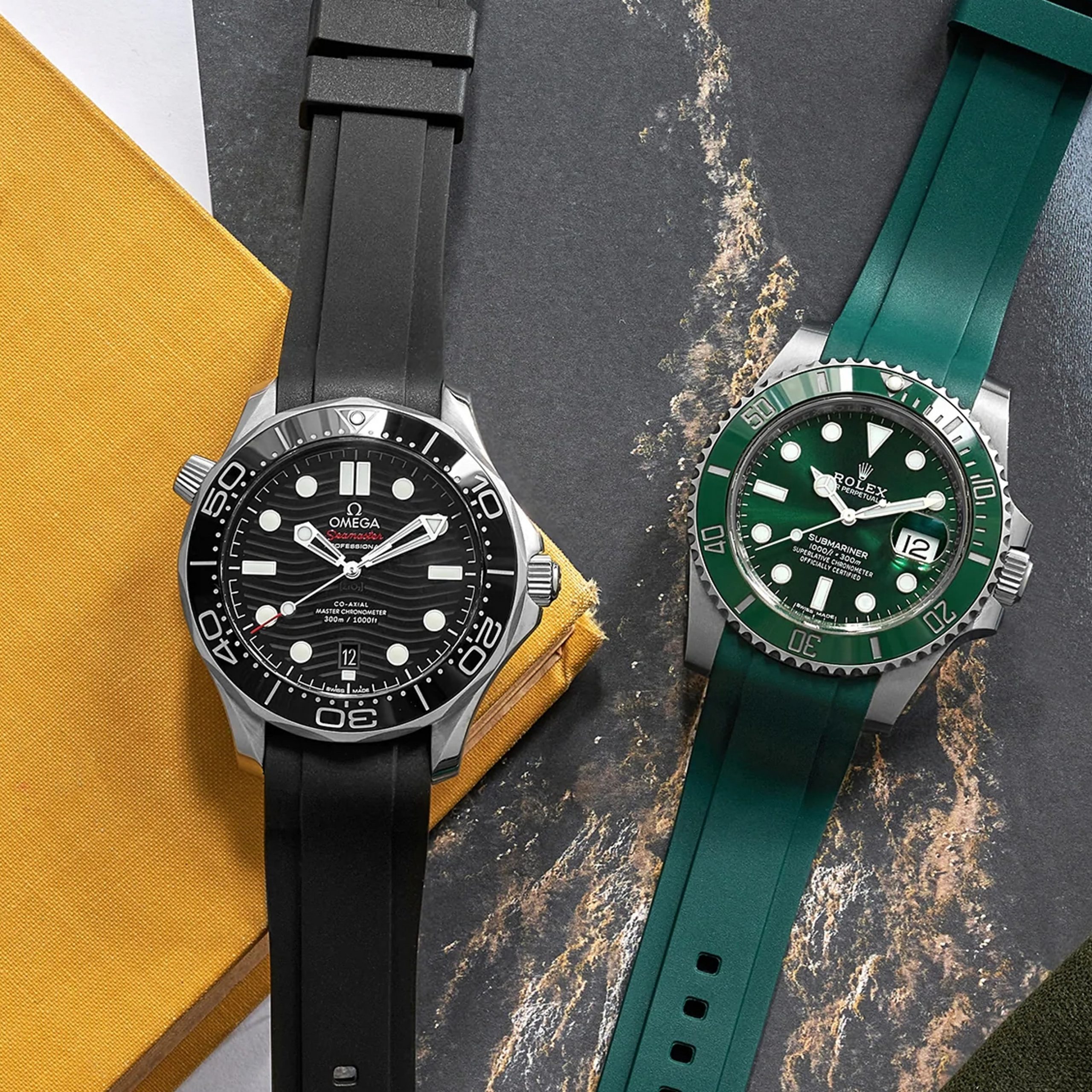
The Submariner remains one of the clearest examples of Rolex sports watch design, with a simple diving layout that has evolved carefully rather than being reinvented every few years.
The Daytona approaches the same philosophy through a chronograph. Its appeal depends heavily on the relationship between bezel, subdials, pushers and case shape.
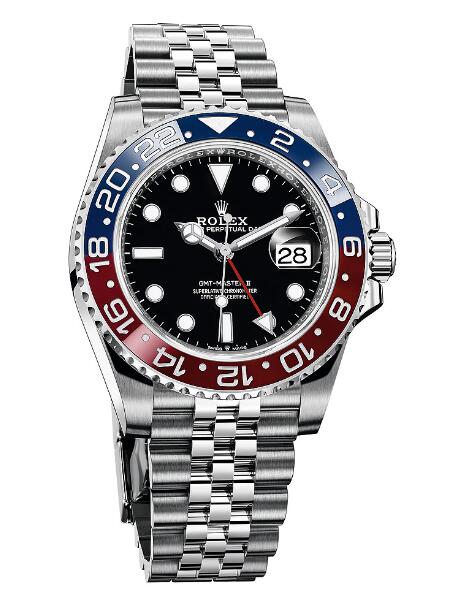
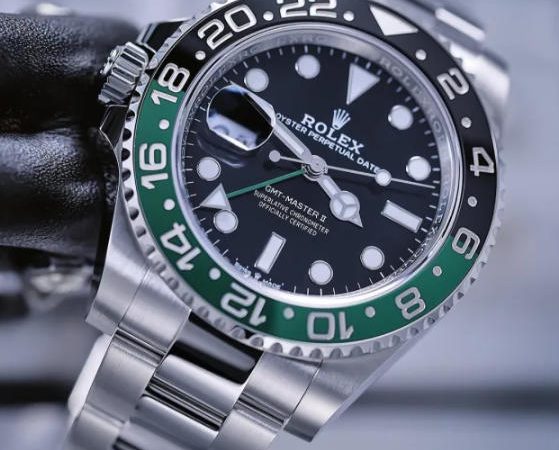
The Datejust offers far more variation, particularly through bezel choices, bracelets, dial colours and different case sizes. Meanwhile, the GMT Master II uses colour and functionality to create some of the most immediately recognisable Rolex references.
We also cover Oyster Perpetual, Day Date, Explorer and other collections when a new release or older reference gives us something worthwhile to examine.
Some articles on Hot Watches Sale discuss third party interpretations of Rolex designs. Original Rolex specifications and movements belong to Rolex watches and should not automatically be attributed to independently produced products.
The purpose of this section is therefore not simply to catalogue models. It is to understand why certain Rolex designs have remained familiar for decades and which details actually change the experience of wearing them.
Rolex rarely changes its watches dramatically, and that is one reason the details matter so much.
A Submariner can look almost unchanged at first glance even when its case, bracelet, dial proportions and movement have all evolved. The same applies to the Daytona, Datejust and GMT Master II. Much of the interest comes from understanding those gradual changes rather than looking only at a reference number or dial colour.
Our Rolex coverage concentrates on those differences.
We look at how case dimensions affect wrist presence, why bezel proportions can make two apparently similar watches feel different, and how bracelet construction, dial spacing and marker size influence the overall balance of a design.
The Submariner remains one of the clearest examples of Rolex sports watch design, with a simple diving layout that has evolved carefully rather than being reinvented every few years.
The Daytona approaches the same philosophy through a chronograph. Its appeal depends heavily on the relationship between bezel, subdials, pushers and case shape.
The Datejust offers far more variation, particularly through bezel choices, bracelets, dial colours and different case sizes. Meanwhile, the GMT Master II uses colour and functionality to create some of the most immediately recognisable Rolex references.
We also cover Oyster Perpetual, Day Date, Explorer and other collections when a new release or older reference gives us something worthwhile to examine.
Some articles on Hot Watches Sale discuss third party interpretations of Rolex designs. Original Rolex specifications and movements belong to Rolex watches and should not automatically be attributed to independently produced products.
The purpose of this section is therefore not simply to catalogue models. It is to understand why certain Rolex designs have remained familiar for decades and which details actually change the experience of wearing them.