Category: Hublot
Hublot watches rarely disappear quietly on the wrist.
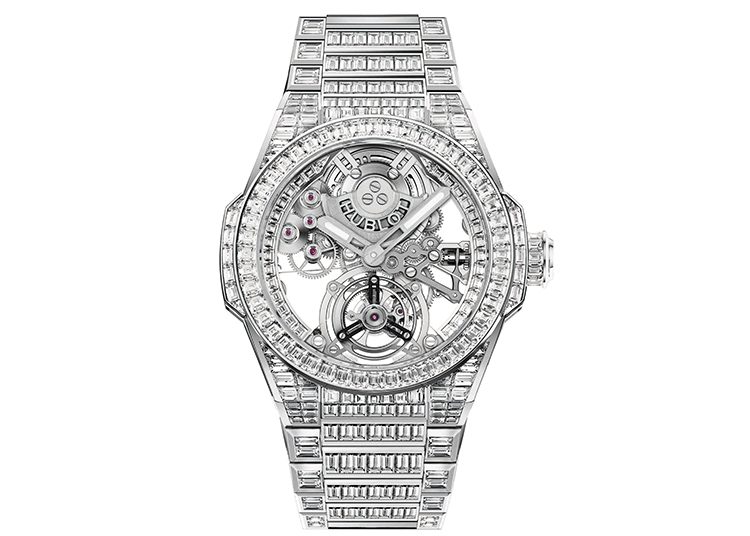
The brand has built much of its identity around visible construction, unexpected materials and cases that deliberately make their presence known. That approach divides opinion, which is precisely why the watches are worth looking at closely rather than dismissing them as simply bold.
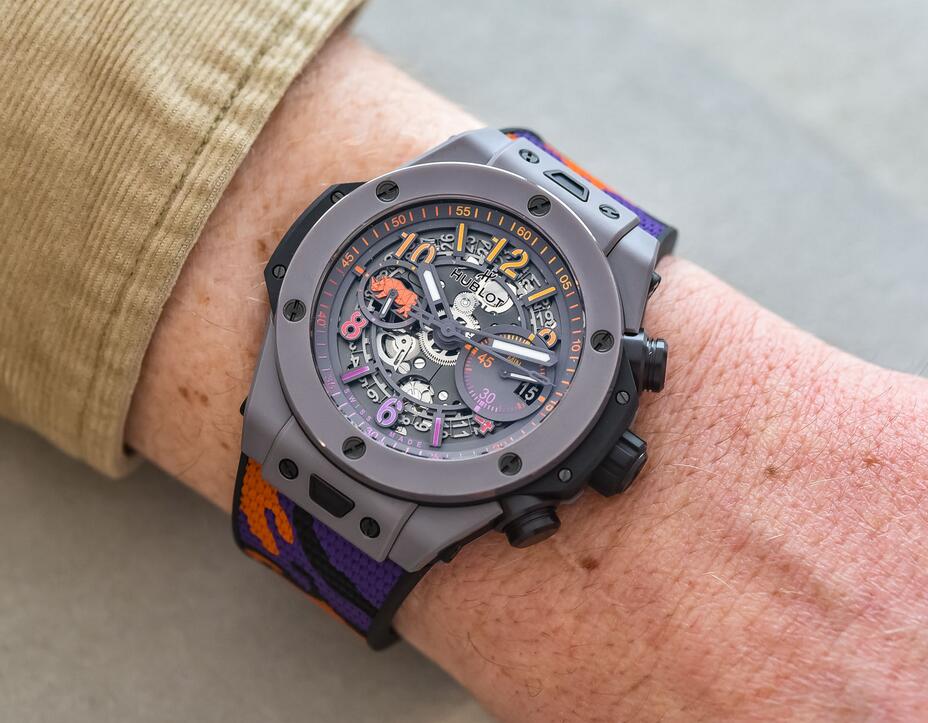
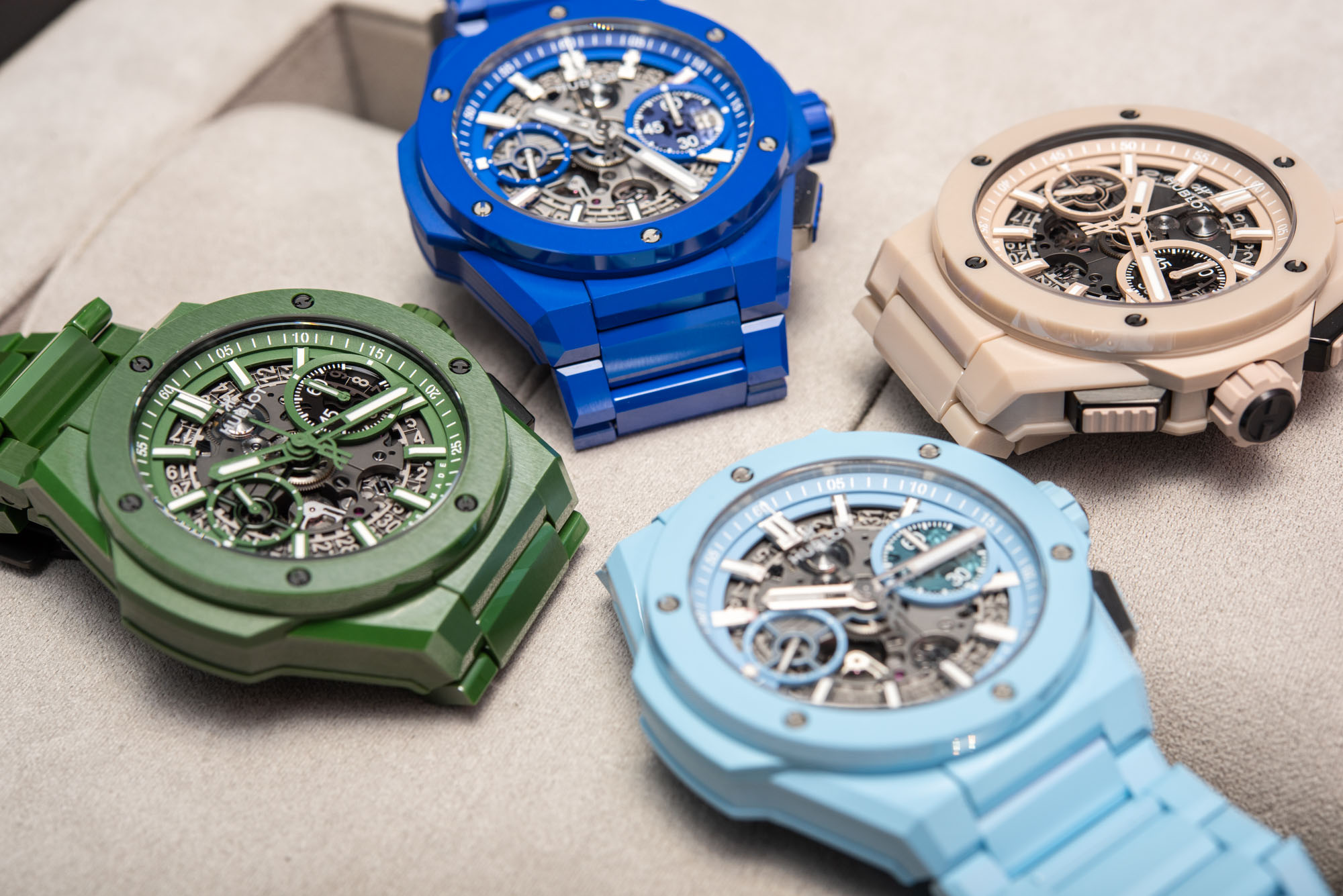
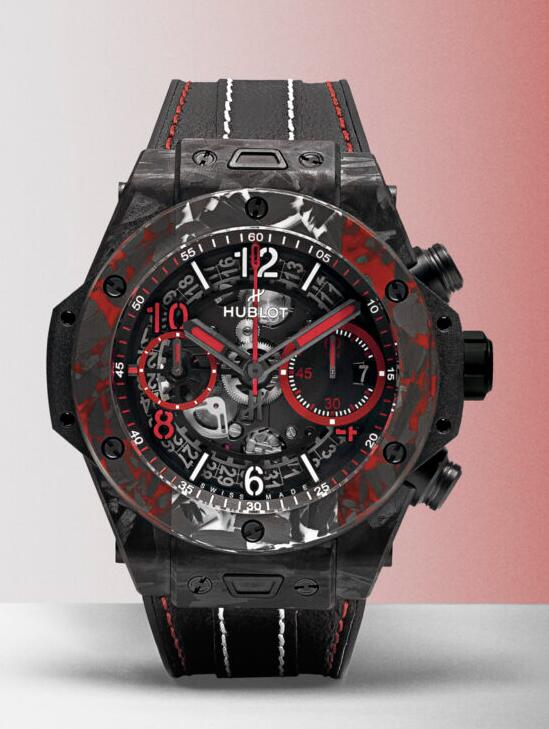
The Big Bang remains the clearest expression of modern Hublot design. A broad bezel, exposed screws, layered case construction and strong use of contrasting materials make the architecture immediately recognisable.
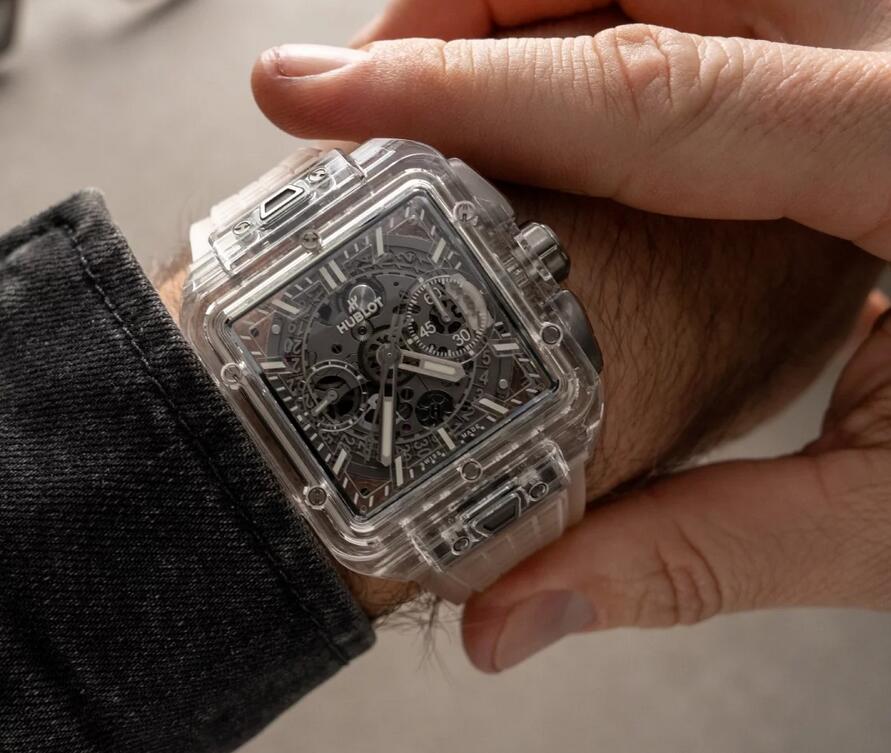
The Spirit of Big Bang carries many of those ideas into a tonneau shaped case, changing how the watch occupies the wrist while retaining much of the same visual vocabulary.
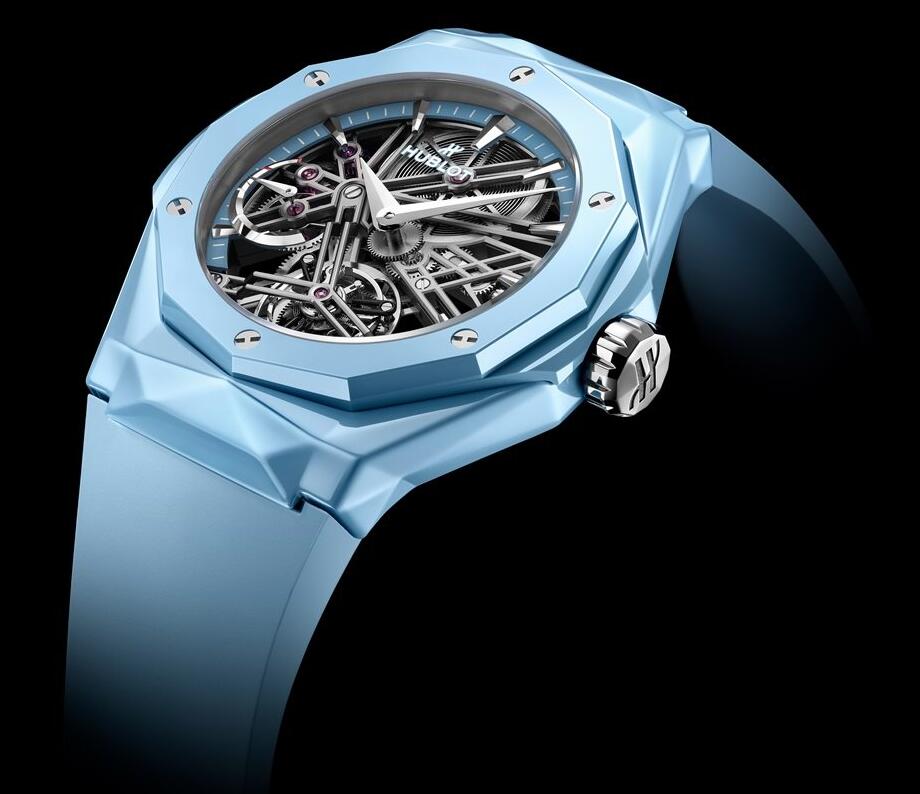
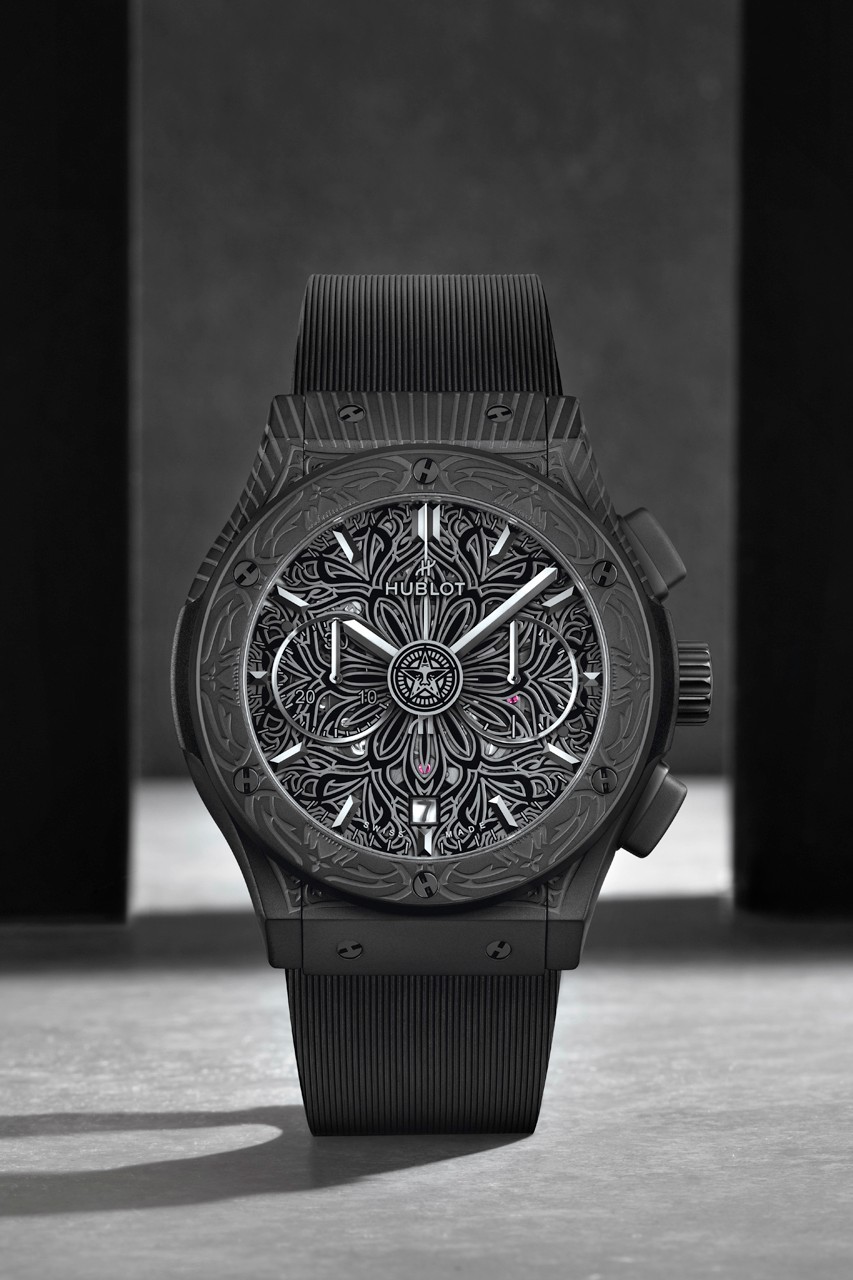
The Classic Fusion is more restrained. It keeps recognisable Hublot details but pares back much of the complexity, making it useful for understanding which elements really define the brand.
At the experimental end sit models such as the MP 10 Tourbillon Weight Energy System. Here, the movement does not simply sit inside the watch. Its vertical architecture, cylindrical display and linear winding weights determine the shape of the entire piece.
That is the kind of relationship our Hublot coverage tries to examine.
Materials also matter. Titanium, ceramic, carbon based composites, sapphire and other unconventional choices can significantly change how a large watch feels even when the dimensions remain imposing.
When original Hublot movement specifications or material technologies are discussed, they refer to the original references. A third party watch that copies an external design should not be assumed to reproduce the same engineering.
This category brings together Big Bang, Spirit of Big Bang, Classic Fusion and experimental Hublot models while keeping the focus on how the watches are actually designed and constructed.